
Stage:
Silicon to Volume.
Vision:
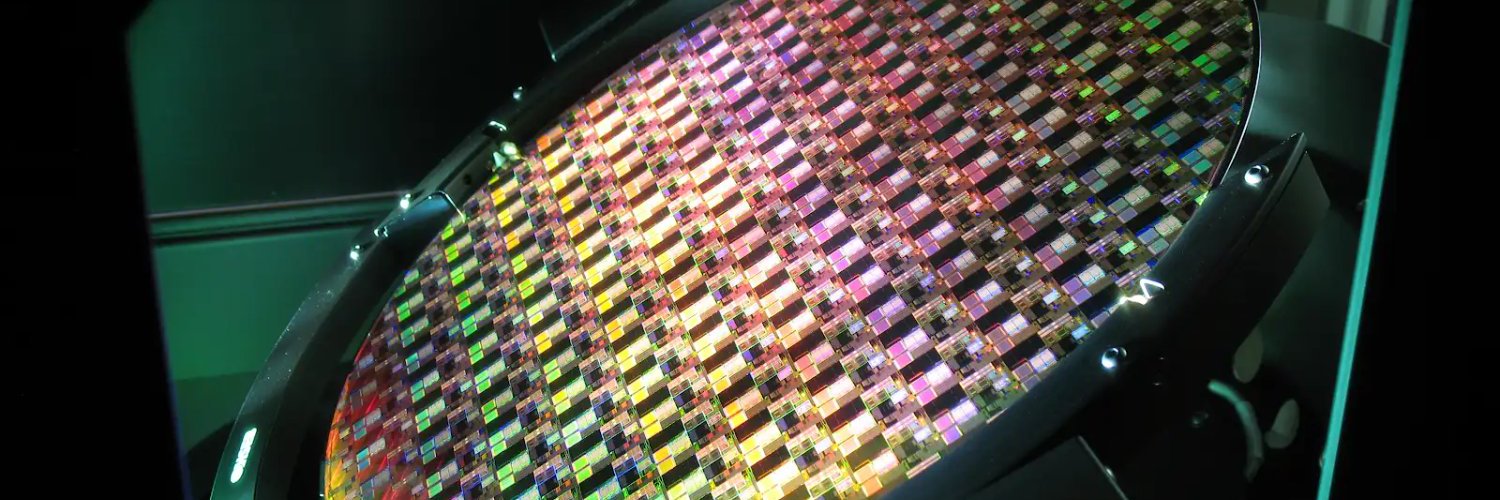
Achieve multiple orders of magnitude more intelligence per watt by evolving chips from 2D Silicon to 3D beyond silicon.
Zulu Role
2020: Invested in Series A
2025: Series D, $1.7B valuation
Collaborators
Gates Frontier: Bill Gates's venture firm, backing breakthrough energy and computing.
Intel Capital: Intel's investment arm. Kepler's founders built Foveros 3D stacking and FinFET-era breakthroughs at Intel.
Neo: Early-stage fund behind Ramp and Vanta.
Baillie Gifford: Long-term investor in Tesla, Amazon and Spotify.
AMD Ventures, GlobalFoundries, Temasek, or Pat Gelsinger (former Intel CEO)
End Game / Ambition
Significantly reduce the ravenous energy needs of the AI revolution.